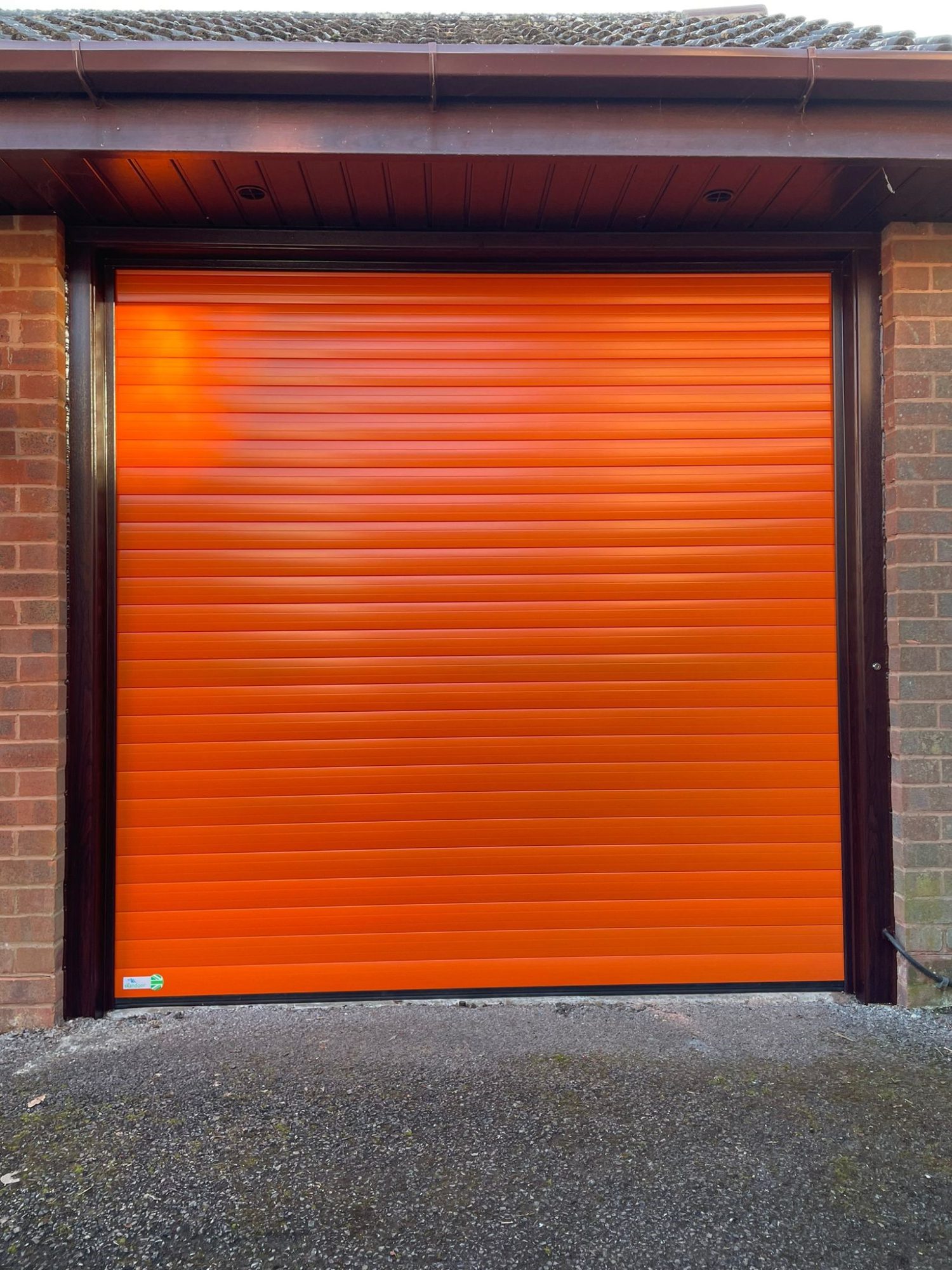

When most people shop for a new garage door, they might discuss how it looks, how much it costs, and how quickly it can be fitted.
All reasonable questions, but there are a few more that are critically important in determining how well the door performs in the short and long term.
Drawing from our own experience, we wish more people asked the following questions when they’re shopping for a garage door.
How Well Does It Insulate?
If your garage is attached to the house – and most are – the garage door is effectively part of your home’s thermal envelope.
A single-skin steel or aluminium door offers almost no insulation, which means heat from the house escapes straight through it all winter. Summer is also important, though, as an insulated door can prevent the heat from rising to an unreasonable level, which could damage goods and strain your freezer if it’s in your garage.
Modern sectional garage doors use double-skinned panels with a foam insulation core, sealed along every edge.
The difference is noticeable even in a garage you don’t heat, because you’re stopping cold air from pulling heat out of the rooms above and beside it. If you use the garage as a workshop, gym, or utility space, the improvement is significant.
Ask the supplier: What’s the U-value of the door panel, and does that figure include the seals or just the panel itself?
How Long Do the Springs Last?
Many garage doors have a counterbalance system, meaning springs that take the weight of the door so the motor doesn’t have to do all the work. On roller doors and sectional doors, torsion springs are typically mounted above the opening.
Springs have a finite lifespan, measured in cycles. One cycle is one open and one close. A standard-rated spring might be designed for 10,000 cycles – which sounds like a lot, but if you’re opening and closing the door four times a day, that’s less than seven years.
Higher-rated springs are available and worth asking about, because replacing a spring is one of the most common maintenance callouts on any garage door.
Ask the supplier: How many cycles are the springs rated for, and what’s the warranty?
What Happens Without Power?
Electric garage doors need electricity to operate. Obvious, but it catches people out. If the power fails while you’re at work, can you get your car out when you come home?
Any well-specified electric door should have two backup systems:
- A manual override accessible from inside the garage, allowing you to disengage the motor and operate the door by hand
- Battery backup that powers the motor through short outages without needing manual intervention
Both of these come as standard on the doors we install. However, they don’t come as standard on every door on the market, so it’s worth checking before you buy.
How Wind-Resistant Is the Door?
A garage door is one of the largest openings on your home, and if it’s exposed to prevailing wind, the forces on the panels can be considerable.
Sectional doors generally perform well in wind because the panels are held within sealed guide rails on both sides, allowing them to flex slightly under pressure without compromising the seal.
Roller doors coil into a compact box, meaning less surface area is exposed when the door is closed, and the curtain is secured within the guides.
Ask the supplier: Do you have wind load ratings? Has the door been tested to a relevant standard?
Are All Garage Door Installers the Same?
We can answer this one: no! Installation affects the door tracks, seal performance, motor setup, and how long the whole system lasts before it needs maintenance.
As garage door experts who manufacture our own sectional doors and install them with our own team, we control quality from the factory to installation.
We complete most standard projects in a single day, and we survey the opening in person before quoting, so the specification is correct from the start.
Request a free survey and we’ll answer every question on this list – and any others you can think of.
Request a free survey
"*" indicates required fields